Gavau kvietimą studijuoti VU informatiką, bet sutarties nesirašysiu, dar nepakankamai tvirtas, kad eiti kartu su jaunimu kurie man į vaikus tinka. Norėčiau bet bijau, ir naujumo ir matematikos, ryt dar panagrinėsiu sutartį. Gaučiau 260€ stipendiją kaip turintis neįgalumą, bet vien todėl eiti būtų neetiška. Dar reikia metus pralaukti blaiviam.
Pasaulis akina vėl savo gražia beprotybe, visi eina iš proto kaip tik gali. Man gera namie savo mažam kambaryje, kompas dūzgia jau tyliau nes ne taip karšta. Nusipirkau 6TB diską gera kaina, dvi dėžutes 2’5 diskam. Jau laikas keltis in linux, nes pradeda trūkti diskam raidžių.
Padariau kelias fotomanipuliacijas:
Taip gera, bandžiau mesti kofeiną, nes buvo žiauri prišpsichozinė būsena čiupus, ir tikrai be jo pavyko atsigauti, jau ne pirmas kartas kaip suprantu, kad kofeinas irgi pavojingas chemijus. Tas kur turiu pu-erh mandarine tikrai iki gliukų galima dagerti, karštą pirmų kelių zavarų.
Vėl pasiryžęs keistis, reikia kentėti be alko narko, gal tiksliau ne kentėti bet save kontroliuoti. Man to negalima ir nereikia, reikia rewirinti smegenis, atsijungti nuo priklausomybės. Yra ko laukti, yra ką veikti, laukia susitikimas su senu draugu ir jam pardavimas monitoriaus geiminimui jo sūnui, laukia ir psichiatrės kabinetas penktadienį, laukia ir sodas iš kurio pabėgau neramus, nes vis kėliausi ketvirtą ir girgždėjau antram aukšte žadindamas mamą. Mano ritmas jau visai keistas, vakar nuėjau miegoti 0230 pabudau 0700 pilnas jėgų, dieną du kartus nusnaudžiau, tai vėl galiu džiaugtis nakties malonumais, laukdamas nežinia ko. Atiduoti viską galėčiau už galimybę nugalėti ligą. Gal tiksliau ligas. Dar ir svorį reikia numesti, jau uždūstu lipdamas in ketvirtą aukštą…
Pasaulis toks ryškiai spinduliuojančiai gražus, tas suvokimas, kad reikia leisti sau būti, nebandyti pasiekti mistinio būvio vartojimo aktyvaus. Ieškoti vartoti, ieškoti ir vartoti toliau. Reikia leisti sau išlaikyti pauzę. Reikia neiti į prakletus chem and sex place (pritonus), reikia pajusti malonumą būti. Laukiu karantino, laukiu rudens, laukiu dar apie penkis mėnesius kol galėsiu bandyti atgauti teises. Nors jau pripratau ir be jų, mašina ir taip sena, bet kada gali sugesti, o resurso naujai turi tik brls. Kažkaip pagaliau daugiau naudingai leisti laiką.
Užsirašiau į pagalbą įsidarbinant Valakampių reabilitacijoje, kurią kažkada lankiau, žinoma vadybininkė bibį dėjusi, man gan daug darbų tiktų – nekvalifikuotų, bet norėtųsi kažko su kompais, bet ne programavimo, kas yra drambliuko svajonė. Užimti galvą, kad labiau vertinti savo laisvą laiką.
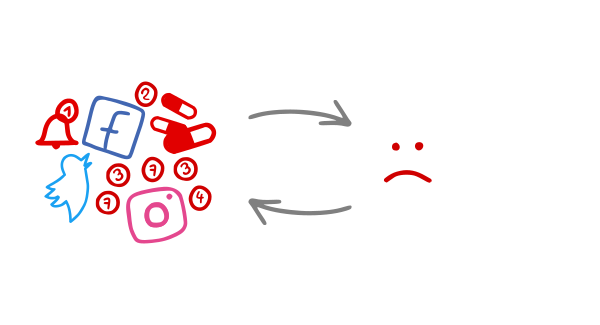
Kas belieka vakare? Irtis į naktį kol pavargsi ir atsijungsi ant pagalvės. Viskas paduota, tik reikia mažiau narkotintis su kompu. FB deaktyvavau ir toks geras laisvumo pojūtis, kad nereikia daryti tų ryto vakaro nuotraukų, sukti srauto, laukti spustelėjimų iš kitų, Twitter bendrai ištryniau, reikia pralaukti 30 dienų ir accountas bus panaikintas, ten buvau susidėliojęs gan gerą gražių nuotraukų srautą ir žinoma LT jaunimo debiliškumą. Reikia mažais žingsneliais tolti nuo kitose gyvenimo srityse besireiškiančių priklausomybės piktžolių.
Dabar tikrai ilgai kai buvo sunki būsena, gliūčino kompas, ne veltui aš esu rašęs kad reikia palikti jį ir mobilų ramybėje, eiti pasivaikščioti, pvz fotografuojant, knygos irgi tada pavojingos. Dar nebuvo atėjusi fazė, kad aplink viskas teatras ir aktoriai tau, ir gerai.
Cisordinolis buvo leistas kas dešimt dienų, tada kas savaitė, tada kas vėl dešimt dienų, dabar žiūrėsiu kaip jaučiuosi link savaitės galo. Olanzapinas vakare 10mg, kelis kartus šoviau jį ir išryto, ir jau būsena buvo taip paaukštinta kad jis nebemigdė, kaip ir dabar nemigdo vakarinė dozė. Lorafenas pora kart vakare gertas, bet labai jis daužiantis, visą dieną toks pribitas nuo jo 2,5mg. Depakinas kaip visada tris kart dienoje dažniausiai, kelias dienas bandžiau negerti, tai žliumbalas prie teliko čiupo žiūrint kaip laimi lietuvaitė. Emociniai breakdownai buvo, bet jie tai dar juokai palyginti su siaubu išprotėti. Xanaxas tai tikrai auksinis vaistas, jis mane labai gerai migdo, kad ir 0,25mg, ir nuramina padaro darbingą kai puola nerimas. Ne veltui taip visi jo nori, o prisirišimas prie jo milžiniškas, negerkit kasdien jo jei galit.
Planai planeliai, šaudantys prisiminimai ir beveik suvokiama amžina esmė neaiškumo aplinkui, šokio stichijų ir pradų, moterų ir vyrų, kai pagalvoji, tai visi nelabai laimingi. Vakarų civilizacija paaukojo laimę už daiktus. Kaip sakiau mes nusipirkome dėžes kvadračiukus su ryšiu ir jos mus pardavė Ai overloardams. Pabandykit dabar atsijungti nuo soc medijos, labai sunku, ėda laiką sukimas srauto kuris kuo toliau tuo narkotiškesnis darysis, besimokanti juodoji dėžė.
Skandalai kartojasi, viskas sukasi ratu, tik kuo greičiau tai pastebi, tuo didesnis šansas išsilaisvinti (tik jau man pačiam nebeaišku nuo ko). Ramiai būti, Murakamis sakė – sunkiais laikais gali daryti tik tą patį ką prieš tai darei. Tai ir aš toliau atostogauju savo įtemptomis atostogomis. Rugsėjo pirmą nauja Pelevino knyga, jau nerimauju ir noriu jos, o kiek dar knygų laukia ant lentynos ir sodo bibliotekoje 🙂
Solar Punk to rescue – viskas bus gerai, išlysim iš pandemijos tik stipresni, jei kas ką tai aš pasiekimas e paštu ztauras@gmail.com
Can you recover from addiction or does it last a lifetime?
You’ve probably heardOnce an addict, always an addict (OAAA)before. I had to explore whether it’s true because the implications of it are rather serious.
People have a lot of opinions about this topic, but they’re usually based on emotions, not reality, and lead to misconceptions. So I dove deep into the topic and looked at what science says about it.
Luckily, the catchphrase isn’t based on science.
And it can be really unhelpful to think this way.
Also,Once an addict, always an addictis not a viable position in today’s behavioral addictions centered around the internet, social media, technology because you can’t really quit them all.
There are 2 main ways of thinking about recovering from addictions.
Opinion A:
Addiction is a chronic disease that will keep returning to your life. Recovery is temporary (also called remission) and doesn’t mean you’re cured forever. This supports theonce an addict, always an addictconcept.
Opinion B:
Addiction is a learned way of coping with negative emotions that changes your brain rapidly. You can unlearn it, your brain will change once again via neuroplasticity.
Arguments for A
Certain changes in the brain are long lasting and this might make you more susceptible to addictions. This probably depends on the severity, the length, and type of the addiction. Addictions can alter your brain so it won’t be functioning like it used to.
Your life has factors that make you prone to addiction – addictive personality (more on this below), you experienced a childhood trauma, you might be prone to depression, or anxiety.
Arguments for B
People who successfully recover from addiction live a better life. So calling it disease doesn’t help. When you recover from an addiction, you don’t go back to zero. Instead, you live a better life. You don’t return back to baseline so we shouldn’t call it recovery.[1]
People overcome addiction without any formal treatment all the time and sometimes it is out of nowhere.[3]
People who recover from addiction are less likely to take on another addiction.[2]
If you compare the two, it’s an interesting development.
Opinion A (addiction = chronic disease) is based on the strongest version of the brain disease model of addiction.
A similar outlook is also supported by Alcoholics Anonymous. The first step in their recovery program is to admit that you have no control over your addiction and to commit to abstinence forever. This can be viable for substance use disorder or things you don’t have to engage with ever again. It’s a simple rule that people follow and people in AA build up streaks.
AA thinking makes sense and has been practiced for almost a century, but that doesn’t make it true. It’s based on 1930’s assumptions.
Opinion A can make people feel powerless.I’m an addict and I’ll be that way forever– it creates feelings of shame and being a victim. It also creates a stigma in society that addicts are somewhat broken and can’t be fixed.
Opinion A seems a little bit outdated. Abstinence isn’t necessarily the goal.
We think it’s not the best approach.
On the other hand, opinion B (addiction = a learned way of coping) provides a more helpful outlook on the topic. If your brain changes, you stop being addicted. If enough time passes, you can start engaging in the behavior in a healthy way once again.
This is the path to freedom and mastery. You’re not a slave of your addiction, you don’t have to be scared of it anymore.
This has some merit, for example, when it comes to alcohol – you can go from being addicted to alcohol, to having a social drink once a week.
Then there are things where there is no other way. You probably can’t realistically abstain from the Internet.
Opinion A would mean that if you’re addicted to the internet, you should abstain forever because it’s only time before you relapse and start using it compulsively again.
To resolve how much you can really recover from addiction, we need to resolve another question first.
Is there an addictive personality?
There is a general notion that there is such a thing as an addictive personality.
Once again, even if something makes sense, it doesn’t make it true.
There is limited support for the concept of addictive personality in scientific studies. Certain people are more anxious, and worse at dealing with stress. They can have a certain genetic makeup that makes them more prone to anxiety. These people might be more susceptible to addictions. But that doesn’t mean they have an addictive personality.
Thinking that you have an addictive personality is unhelpful. It’s something you can’t change and it rather victimizes the addict and can be used as an excuse to not do anything about their current state.
People often claim to have an addictive personality. Especially, when they seem to be trading one addiction for another. But what if they don’t have an addictive personality? What if they become addicted all the time because they don’t resolve the underlying cause of their addictions?
Another argument people use is that addictions run in their family. In reality, there are probably more factors involved.
Yes, the family might be more susceptible to stress and anxiety through genes.
Or maybe, if the family has to deal with an addict, it can cause a lot of stress or even trauma to the family which can cause another person to become addicted as an escape from this.
It might also be the case that the whole family is ill-equipped to deal with stress and anxiety… If parents don’t know how to deal with emotions, their kid usually doesn’t learn it as well.
As an aside, no wonder people are ill-equipped to deal with their emotions. After all, it’s been only a decade or two since it became somewhat socially accepted for a man to actually have feelings and experience emotions. Before, you were told to man up and just deal with it.
Addictive personality is only weakly supported by science and it can be unhelpful in overcoming addictions because it’s something you can’t change.
So can you recover from an addiction?
You most certainly can.
People do it all the time without any formal treatment. That doesn’t mean it’s easy. Depending on how much the brain is altered by the addiction, it can be super difficult.
Also, most studies have been done on substances (drugs, alcohol, cigarettes). You can view behavior addictions like the lite versions of addictions, so the recovery will be quicker.
Q: Is my brain ever going to be functioning normally? Or is it permanently broken?
A: Your brain is adaptive and neuroplasticity will take place.
In certain cases, the brain won’t ever be the same, but it can become functional again. It depends on the length of the addiction and the type of addiction (chemical addictions being much worse). But most people recover.
I think, there is an even more interesting question
Q: Can I ever come back to the behavior?
A: The neural pathways will be there for a long time, so you have to remember that you’re more susceptible. What wires together, fires together.
However, that doesn’t mean you need to avoid the behavior forever.
There are people who went through AA, recovered from their alcohol addiction, and are able to drink moderately.
Increasing the likelihood you can safely come back to the behavior depends on how much you resolve the underlying causes of the addiction.
The 3 conditions are following:
If enough time passes—we’re talking of months or years—your brain rewires.
You learn how to deal with your emotions much more,
Your life is better than it used to be.
If you meet these conditions, then you’re probably ready to engage in the behavior again. Once again, we’re talking about behavioral addictions only (no drugs, alcohol, cigarettes – it can be more tricky with them).
This means that you might try to engage in the addictive behavior you used to do.
Here are some examples:
If you’re addicted to social media, you might use them in a time limited window.
Gaming 2 days per week after finishing all your responsibilities.
Watching Netflix only with friends on the weekend.
Deal with these like experiments, nothing temporary. If you can’t do it, you’re not ready… or you don’t have to ever return to the potentially addictive behavior if you don’t want to.
Doesn’t that sound better?
Breaking your shackles, overcoming addiction, and then not being worried about it anymore.
Especially with behavioral addictions, it might even be desirable to do something moderately.
It sounds like growth as a person.
What about other addictive things?
If you successfully overcame one addiction, you might be less susceptible to others.[2]
Because you have already developed a toolbox to deal with emotional adversity. Also, people also know how much it sucks to be addicted so they are wary of another addiction.
This doesn’t mean you should go and try coke because you overcame a different addiction. No, this is to break the habit of thinking that you have an addictive personality.
We’ve already explained that an addictive personality is more of a construct.
On one hand, thinking that you have an addictive personality can be helpful because you’re scared of addiction and you will abstain on purpose from other things.
On the other hand, it also can make you feel like you’re powerless and can make you more susceptible to getting addicted. Especially if you give in and start engaging in addictive behavior, you might feel you aren’t in control.
It’s better to not use the addictive personality concept because you can’t change it and focus on areas you can improve: becoming more mindful of your behavior, learning how to deal with your emotions, and improving your life in general.
If you do this, you will increase the probability that you won’t get addicted again.
Summary
Once an addict, always an addictis a catchy phrase that isn’t based on real science.
You can recover from addiction and even moderate the behavior later on in life.
Your brain can start functioning normally again in a span of a few months. It doesn’t have to be the same, but it should work just fine.
If you successfully overcome an addiction, resolve the underlying issues, you might even be less prone to future addiction.
The next question is then, how to recover from addiction?